Quartzite and travertine are both beautiful natural stones, but they offer very different performance, durability, and styles. Whether you’re renovating a kitchen, updating a bathroom, or creating an outdoor space, choosing the right stone matters.
This simple guide breaks down the differences so you can confidently decide which material is the best fit for your home.
What Is Quartzite?
Quartzite is a metamorphic stone formed when sandstone is exposed to extreme heat and pressure.
The result: a super-strong, dense, and elegant stone often compared to marble in appearance.
✔ Extremely durable
✔ Resistant to scratches, heat, and stains (when sealed)
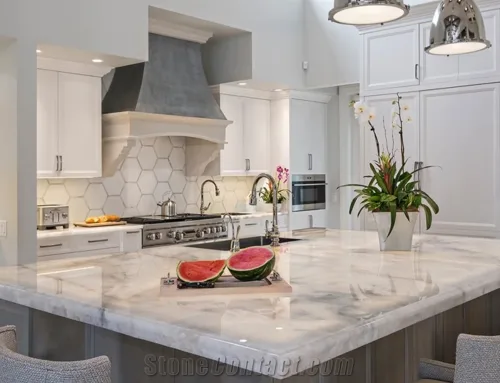
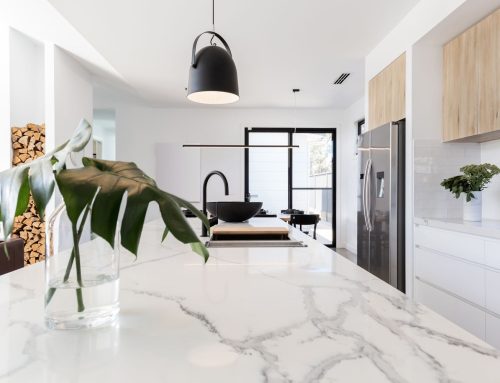
✔ Popular for premium kitchen counters and high-end interiors
What Is Travertine?
Travertine is a type of limestone formed around mineral-rich springs.
It has a warm, earthy look with natural holes and pits that give it character.
✔ Softer, rustic appearance
✔ Comfortable underfoot — great for flooring
✔ Common in bathrooms, outdoor patios, and Mediterranean-style homes
Quartzite vs. Travertine: Side-by-Side Comparison
| Feature | Quartzite | Travertine |
|---|---|---|
| Hardness | ⭐⭐⭐⭐⭐ (7–8 Mohs) | ⭐⭐ (3–4 Mohs) |
| Scratch Resistance | High | Low |
| Stain Resistance | High (when sealed) | Medium–Low (needs sealing often) |
| Heat Resistance | Excellent | Good |
| Pores / Holes | Very low | Many (requires filling/sealing) |
| Best Uses | Kitchen counters, bathrooms, walls, islands | Flooring, showers, outdoor spaces |
| Maintenance | Low | Medium–High |
| Appearance | Marble-like luxury | Rustic, natural, earthy |
| Cost | Medium–High | Budget-friendly to medium |
Appearance: Modern vs. Earthy
✨ Quartzite — Dramatic veining, bright whites, greens, grays, one-of-a-kind slabs
🏛️ Travertine — Warm beige and tan tones with a softer, timeless feel
If you want elegance and visual impact, quartzite usually wins.
If you want a cozy, rustic vibe, travertine fits beautifully.
Durability and Daily Use
Quartzite:
-
Extremely scratch-resistant
-
Great for busy kitchens
-
Strong enough to handle heavy appliances
-
Resistant to heat + acidic foods (when sealed)
Travertine:
-
Softer — scratches and chips more easily
-
Better for low-impact areas
-
Not ideal for high-traffic kitchens without constant maintenance
Maintenance Needs
| Maintenance Task | Quartzite | Travertine |
|---|---|---|
| Sealing | About once a year | More frequent |
| Cleaning | Mild soap or stone cleaner | Only stone-safe cleaners |
| Repairs | Rare | Chips & pits may need filling |
If you prefer easy care, quartzite is the clear winner.
Where Each Stone Works Best
Choose Quartzite for:
✔ Kitchen countertops
✔ Waterfall islands
✔ Bathroom vanities
✔ Fireplace surrounds
✔ Feature walls
Choose Travertine for:
✔ Flooring
✔ Shower walls
✔ Outdoor patios/pool decks
✔ Tuscan or Mediterranean-style homes
Travertine feels great underfoot and has natural slip resistance — making it ideal for flooring.
Which One Should You Choose?
It depends on your lifestyle and design goals:
| You Should Choose… | If You Want… |
|---|---|
| Quartzite | Maximum durability + luxury look |
| Travertine | Warm, rustic style and budget-friendly stone |
Final Verdict
Quartzite is typically the better long-term investment — especially for kitchens and busy family homes — thanks to its strength, heat resistance, and low upkeep.
Travertine shines in areas where comfort and natural Mediterranean style matter most.
Either way, both stones can add natural beauty and value to your home — it just comes down to how you plan to use them.